
Oversized Vehicle Transport
Lifted 4x4s, dually pickups, oversized SUVs, work trucks, and modified vehicles. We dispatch carriers with the right deck space and tie-down rating. $99 deposit locks the rate.
When the car hauler is not big enough
Standard 7 to 10 car open trailers are sized for sedans, crossovers, and small SUVs. Once you start shipping lifted 4x4s, dually trucks, full-size SUVs with roof racks, or anything modified beyond factory size, you need a different kind of trailer.
Oversized vehicle transport uses higher-deck or flatbed trailers with proper tie-down ratings, enough vertical clearance for lifted rigs, and the right ramps for wide axles. The carrier has to know what they are doing because oversized loads have different DOT rules: tie-downs, weight ratings, sometimes pilot vehicles for genuinely wide loads.
Whipshipper books oversized loads daily. Tell us the actual dimensions (height, width, length, weight) and any modifications, and we match you with a carrier that has the right equipment.
What counts as oversized
Lifted 4x4s
Stock height plus 4 inches or more lift, 35 inch+ tires. Vertical clearance gets tight on standard trailers.
Dually pickups
F-350, Silverado 3500, Ram 3500 dually beds run wider than standard. Need proper deck width.
Full size SUVs with cargo
Suburban, Expedition Max, Yukon XL with roof racks or aftermarket bumpers.
Heavy work trucks
Ladder racks, tool boxes, service body utility beds. Often exceed standard car weight ratings.
Aftermarket modifications
Wide fenders, brush guards, winches, big bumpers. Dimensions go beyond factory spec.
Light commercial vehicles
Box trucks, sprinter vans, small RVs. Different trailer entirely.
Measure before you book
Oversized rates depend on real dimensions. Guess wrong and the carrier may refuse at pickup.
- 1Total length, bumper to bumper
- 2Total height including roof racks, ladders, or antennas
- 3Total width at widest point (mirror to mirror or fender to fender)
- 4Total weight, including modifications and any cargo
- 5Ground clearance at the lowest point
- 6Tire size and any aftermarket wheels
- 7Bumper or hitch modifications (winches, brush guards, swing-outs)
- 8Any roof-mounted cargo, racks, or hardware
Standard vs oversized hauling
Standard car hauler
- 7 to 10 car open trailer
- Vertical clearance 6.5 to 7 feet
- Designed for sedans and small SUVs
- Tie-down rated for 3,000 to 5,000 lb vehicles
- Standard ramps, no special gear
- Lowest cost per vehicle
Oversized trailer
- Flatbed, stepdeck, or high-clearance hauler
- Vertical clearance 8 feet+
- Designed for trucks, lifted rigs, work vehicles
- Tie-down rated for 6,000 to 12,000 lb vehicles
- Wide ramps, dually-friendly deck
- Premium over standard car hauling
Oversized transport process
Measure and disclose
Tell us actual dimensions, weight, and modifications. Photos help a ton.
We match an oversized carrier
Specific carriers with the right deck and tie-down rating. Not every truck on the load board.
Lock with $99 deposit
Oversized premium included in the quote upfront, no add-ons at pickup.
Specialty loading
Carrier takes extra time loading, strapping, and securing. Photos at every step.
Oversized hauling tips
Honest dimensions save the trip
Tell us the real height, width, and weight. Surprises at pickup mean the driver refuses and you start over.
Pickup window stretches
Oversized carriers are less common, so plan for a 2 to 5 day pickup window instead of 1 to 3.
Wide loads have extra rules
Vehicles over 8.5 feet wide may need pilot vehicles, permits, and daylight-only travel. We handle the paperwork.
Lifted rigs need clearance both ends
Make sure the pickup and drop locations can accommodate a tall trailer. Garages and low overhangs hurt.
Don't forget weight
Oversized often means heavy. Make sure you disclose the actual loaded weight, not the factory curb weight.
Rate scales with size
Bigger and heavier means more deck space taken up. Oversized premium ranges $200 to $800 over standard.
Oversized loads at a glance
Sample oversized rates
Pricing depends on actual dimensions and weight. These are ballparks for lifted trucks and duallies.
| Distance | Open Transport | Enclosed Transport | Transit Days |
|---|---|---|---|
| 0 to 500 miles | $650 to $1,000 | $1,000 to $1,500 | 3 to 5 days |
| 500 to 1,000 miles | $950 to $1,400 | $1,500 to $2,000 | 4 to 6 days |
| 1,000 to 2,000 miles | $1,250 to $1,900 | $2,000 to $2,800 | 6 to 9 days |
| 2,000+ miles | $1,500 to $2,400 | $2,500 to $3,600 | 8 to 12 days |
Estimates only, your exact rate comes from the live carrier load board. Get an instant quote at the top of the page for real numbers.
Frequently asked questions
How much does it cost to ship a vehicle?
How long does it take?
Is my vehicle insured during transport?
How does the $99 deposit work?
What is the pickup window?
How do I prep my vehicle for transport?
How do I pay for the rest?
What if the carrier cancels or runs late?
What size is considered oversized?
Can you ship a lifted truck?
Do oversized loads need permits?
Can you ship an RV or motorhome?
Why is oversized more expensive?
Ready to ship?
Pick the path that fits how you want to move.
Every auto transport service we run
Auto transport is not one product. A dealer moving forty units off an auction lane, a collector shipping a numbers matching car across the country, and a family sending one sedan ahead of a move are three different jobs that happen to use the same highways. They need different trailers, different insurance limits, different loading equipment, and different scheduling. Quoting all three the same way is how customers end up with a truck that cannot legally carry their vehicle. Pick the line below that matches what you are actually moving, and the quote comes back against the right equipment the first time.
By transport type
 Open Car TransportThe standard multi car carrier and the cheapest way to move a daily driver. Same trailers that deliver new inventory to dealers.Learn more →
 Enclosed Auto TransportA sealed trailer, soft tie downs, and no road spray for classics, exotics, and anything you would not park outside.Learn more →
 Door to Door TransportPickup and delivery at the addresses you give us. No terminal drop offs and no driving across town to meet a truck.Learn more →
 Expedited Car ShippingNext day or two day pickup when the closing date moved or the buyer will not wait. Priority position in the dispatch queue.Learn more →
- Budget Car ShippingFlexible dates and a wider pickup window traded for a lower rate. The honest version of a cheap quote.Learn more →
 State to State ShippingInterstate moves with one carrier from origin to destination, no reloading and no handoffs between trucks.Learn more →
 Cross Country ShippingCoast to coast runs past two thousand miles, priced on lane density rather than a flat per mile guess.Learn more →
- International ShippingOcean freight by container or roll on roll off, with the port paperwork and customs filing handled for you.Learn more →
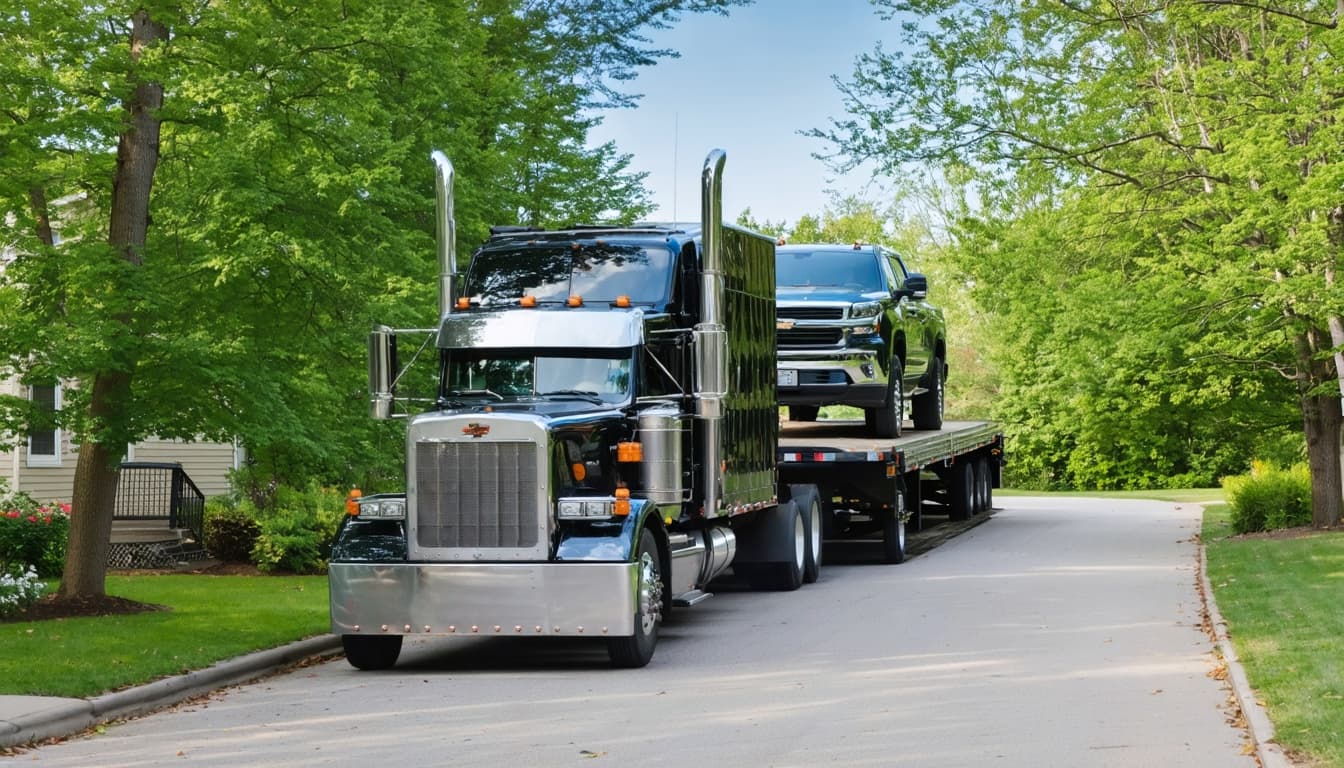 Online Purchase DeliveryBought from a marketplace, an out of state dealer, or a private seller. We collect it and bring it to your driveway.Learn more →
- Auto Train AlternativeA door to door option for the Virginia to Florida run when the train is sold out or the schedule does not fit.Learn more →
- Inoperable Vehicle TransportWinch equipped carriers for cars that will not start, will not steer, or will not roll. Project cars included.Learn more →
 Oversized TransportLifted trucks, duallies, and anything over standard deck height on trailers built for the clearance.Learn more →
By vehicle
 Motorcycle ShippingCruisers, sport bikes, touring rigs, and trikes on soft straps and wheel chocks rather than a bare ratchet.Learn more →
 Truck ShippingHalf tons through duallies, with the bed and tow package measured before we quote so the deck actually fits.Learn more →
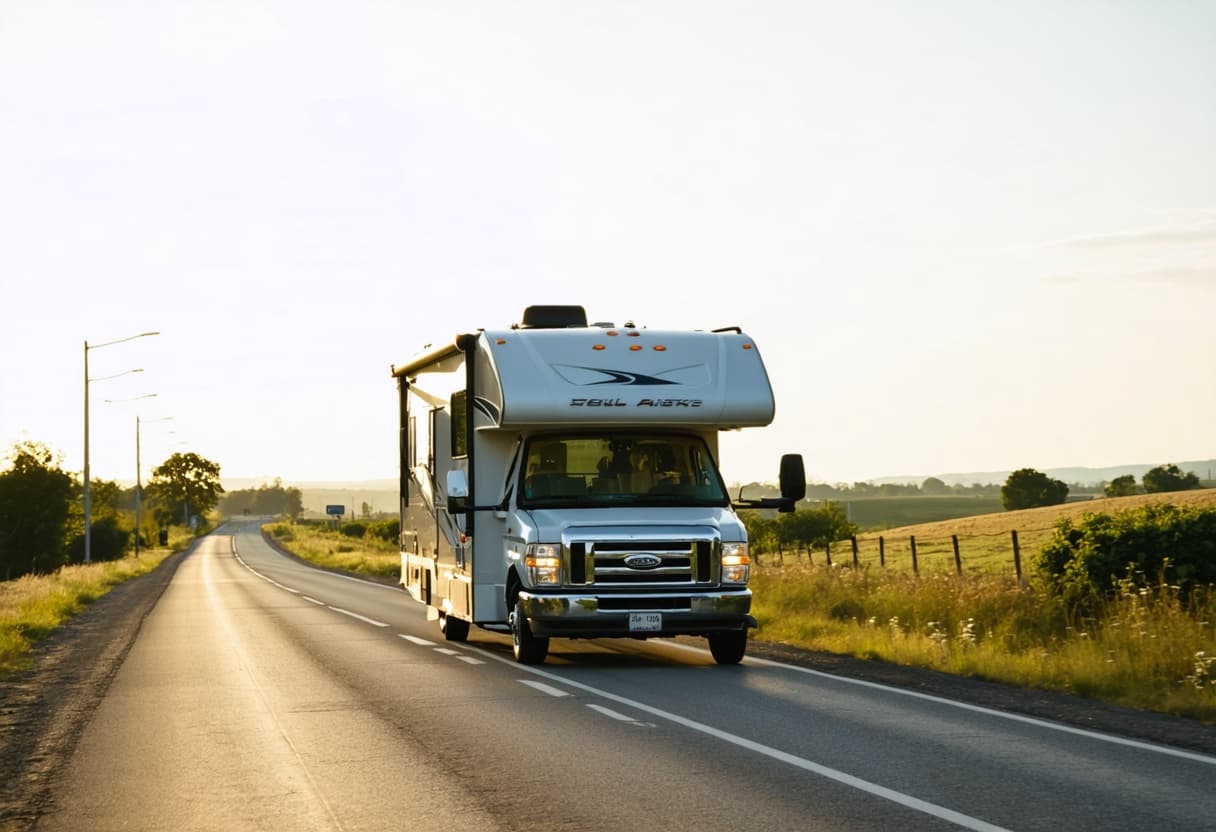 RV and Motorhome TransportTowed, hauled, or driven by a bonded CDL driver depending on length, height, and whether it is roadworthy.Learn more →
 Luxury Car ShippingEnclosed by default, lift gate loading, and a driver who has moved this class of car before.Learn more →
 Classic Car ShippingVintage and restoration cars handled with soft ties, no wheel straps on original chrome, and full photo documentation.Learn more →
By who is shipping
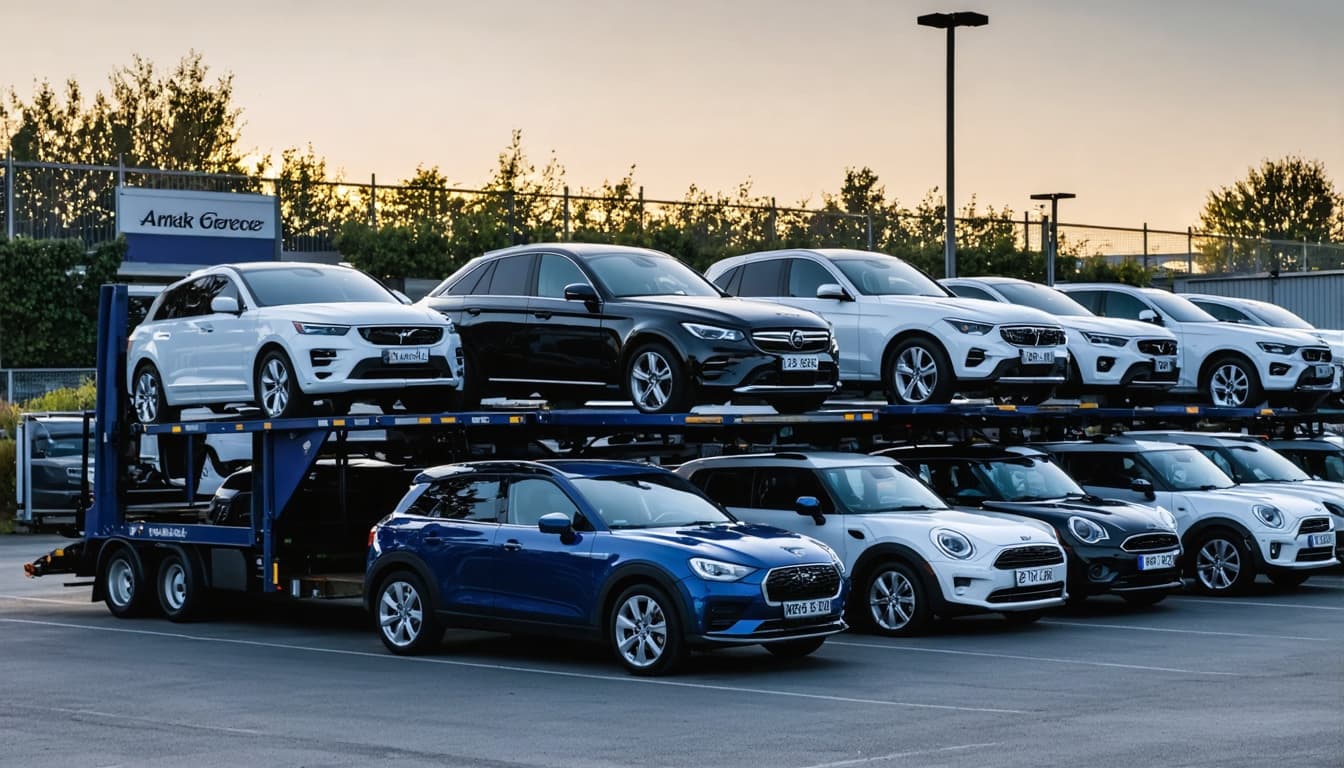 Dealer ShippingAuction runs, dealer trades, and port to lot moves on volume pricing with one invoice across every unit.Learn more →
- Fleet ShippingMulti unit relocations and seasonal rebalancing with contracted rates that hold through surge weeks.Learn more →
- For Online BuyersIndependent condition photos at pickup so you see the car before it leaves the seller, not after it arrives.Learn more →
- Auction ShippingPickup coordinated against auction release, gate pass, and storage deadlines so you are not paying late fees.Learn more →
- OEM LogisticsPlant to dealer and plant to port movement with reporting that matches manufacturer compliance requirements.Learn more →
- Rental Fleet RelocationSeasonal fleet balancing between markets, priced by the batch rather than one unit at a time.Learn more →
- Military Car ShippingPCS moves timed to report dates, with pickup that works around base access and a deploying schedule.Learn more →
- Student Car ShippingMove in and move out windows around the academic calendar, when every family in town needs the same week.Learn more →
 Snowbird ShippingNorth in spring, south in fall, booked both directions at once so the return leg is locked before rates climb.Learn more →
- Corporate RelocationEmployee moves billed to the company with the documentation a relocation package and an expense team need.Learn more →
Not sure which one fits? Call (888) 780-6207 and describe the vehicle and the route. A dispatcher will tell you which equipment it needs and what the lane is running, or start with an instant quote and adjust from there.
Auto transport coast to coast, state to state
We move vehicles in all fifty states, and the network is deepest where the freight already runs. Each state page below carries its own lane table, transit windows, and the local conditions that actually change a rate.
Northeast
Mid-Atlantic
Southeast
South
Midwest
Mountain
Read before you book
Most complaints in this industry trace back to something the customer was never told: that the first quote was a placeholder, that the broker on the phone is not the company driving the truck, or that personal items in the trunk are not covered by cargo insurance. None of that is complicated once somebody explains it. These are the explainers we send customers before they book, written to be useful whether or not you ship with us.
- How to Ship a CarThe whole process from first quote to signed delivery receipt, in the order it actually happens.Read the guide →
- How Auto Transport WorksWhat happens between your booking and a truck showing up, including who dispatches the load and why timing moves.Read the guide →
- Brokers vs CarriersThe difference nobody explains, why it changes who is liable for your car, and which one you are actually talking to.Read the guide →
- Spotting Transport FraudHow to check authority and insurance yourself, and the quote patterns that mean a company is about to raise the price.Read the guide →
- TruePrice GuaranteeWhy our quote is the price, and what the industry practice of quoting low and renegotiating at pickup costs you.Read the guide →
- Pre Shipping ChecklistWhat to clean, remove, photograph, and document before the driver arrives so a damage claim never becomes your word against theirs.Read the guide →
- Cheapest Ways to ShipThe levers that genuinely lower a rate, and the ones that only look cheap until pickup day.Read the guide →
- Hawaii Car ShippingPort schedules, island by island delivery, and what the ocean leg adds to a mainland quote.Read the guide →
- Alaska Car ShippingBarge versus the Alaska Highway, seasonal closures, and why a winter quote is not a summer quote.Read the guide →
- Why WhipshipperWhat we do differently on carrier vetting, rate locking, and tracking, stated plainly enough to check.Read the guide →
- Full FAQEvery question we get on pricing, timing, insurance, and paperwork, answered in one place.Read the guide →
- Customer ReviewsHow we handle feedback, what we do when a shipment goes sideways, and how to read transport reviews generally.Read the guide →
Lock your rate today.
$99 deposit holds the carrier, balance on delivery.