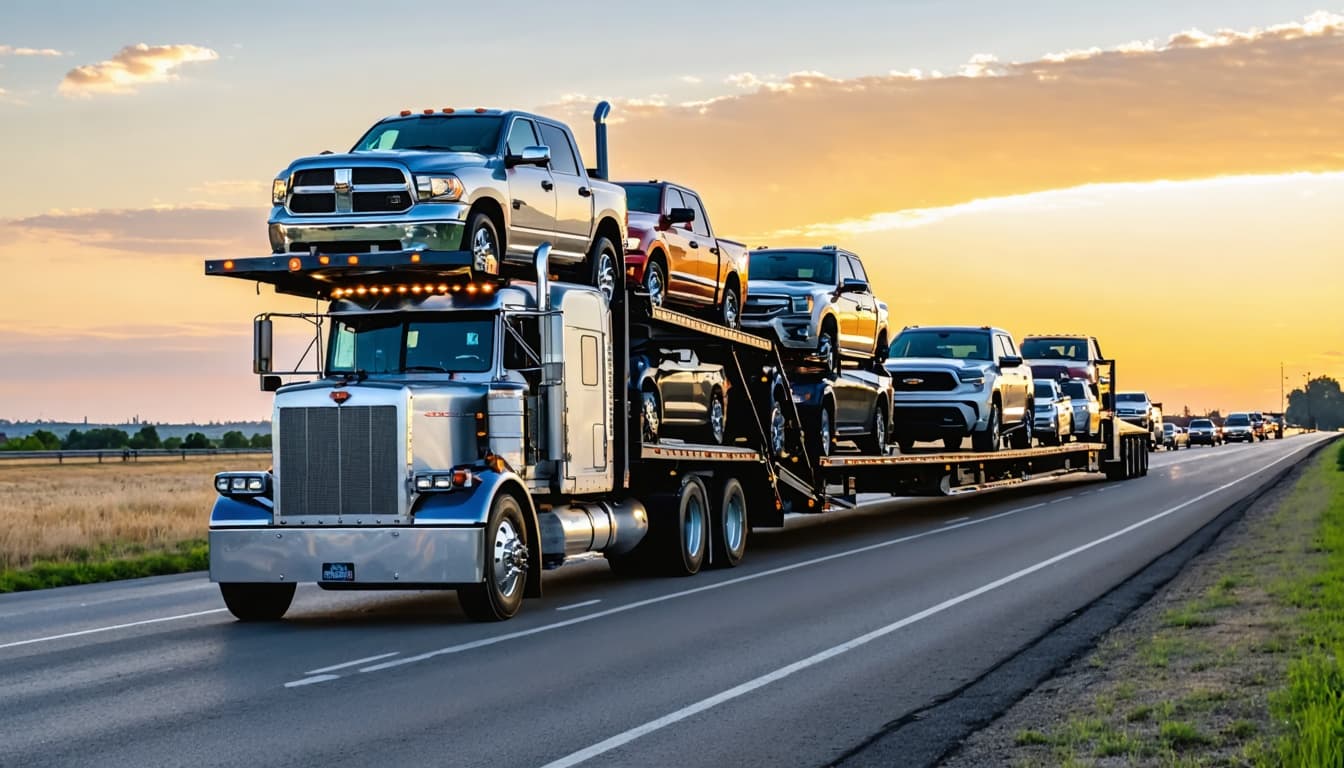
The car shipping checklist
Everything you need to do before the truck arrives. Print this page, work through it, and pickup will be smooth.
Why prep matters
A good pickup starts with a prepped car. Drivers carry 6 to 10 cars per trailer and run on tight schedules. When your vehicle is washed, fueled, photographed, and ready to roll, loading takes 15 minutes. When it is not, loading drags out and the whole trailer slips behind.
This checklist covers the prep that matters: cleaning for inspection accuracy, removing valuables and personal items, fuel level, keys, photos, alarms, and edge cases. Do all of it and pickup is calm. Skip half and you may hit a snag.
The full pre pickup checklist
Work through every line. Each one prevents a problem.
- 1Wash the exterior of the car so dirt does not hide existing damage.
- 2Clean the interior, vacuum, and wipe down the dash.
- 3Remove all personal items from the trunk and cabin.
- 4Take the car down to a quarter tank of fuel (not more, not less).
- 5Photograph every panel: front, back, both sides, roof, wheels, undercarriage if accessible.
- 6Photograph the interior, including the odometer reading.
- 7Note any existing scratches, dents, or paint chips with close ups.
- 8Disable toll tags (Sunpass, EZPass, FasTrak) so they do not rack up charges en route.
- 9Disable aftermarket alarms or note the disarm sequence for the driver.
- 10Remove dash cams, radar detectors, and GPS units.
- 11Fold in mirrors if they fold.
- 12Retract the antenna if retractable.
- 13Check that the parking brake releases cleanly.
- 14Top off the battery so the car starts cold.
- 15Note any fluid leaks or mechanical quirks for the driver.
- 16Remove EZ Pass and toll transponders so they do not charge during transit.
- 17Lower or remove roof racks, ski boxes, and any aftermarket roof attachments.
- 18Lock the gas cap if your car has a locking gas cap, and give the driver the key.
- 19Hand the driver one key, keep a spare for yourself.
- 20Have your ID and the BOL paperwork ready at pickup.
The 5 things customers forget most
If you only do five things from the list above, do these.
Quarter tank only
Full tanks add weight to the trailer (fuel surcharge to the carrier) and pose a safety risk. Quarter tank is the standard.
Photograph everything
Time stamped photos of every panel are your damage protection at delivery. Take them in good light, take them with a clean car.
Remove personal items
Carrier insurance does not cover personal property. Take laptops, documents, sunglasses, and valuables out of the car.
Disable toll tags
Active toll transponders will rack up charges if the trailer passes toll readers en route. Bag them, remove the battery, or pull them.
Disable alarms
An alarm that randomly arms during transit drains the battery and stresses the driver. Disable it or share the disarm code.
Special vehicle prep
Low clearance vehicles
Lowered cars, sports cars, classics. Tell us at quote time so we send a carrier with a liftgate or low approach trailer.
Lifted trucks and SUVs
Lift kits over 4 inches need a taller trailer position. Declare the lift at quote time.
Modified vehicles
Body kits, wide tires, aftermarket spoilers. Declare modifications at quote time so the carrier plans loading.
Inoperable vehicles
Car does not start? Carrier needs a winch and steering must work. Declare inop at quote time.
Electric vehicles
Battery should be charged to 30 to 50 percent. Disable autopilot, parking sensors, and sentry mode if your car has them.
Convertibles
Soft top should be up and secured. Hard top should be in place. Confirm the top latches cleanly before pickup.
Day of pickup
What to do in the hour before the driver arrives.
1. Move the car to open space
Pull the car out of the garage. Park on the street or driveway so the driver can load it onto the trailer.
2. Final walk around
Re photograph the car one more time with a time stamp. Confirm fuel level, mirrors folded, alarms disabled.
3. Meet the driver
Walk the car together. Driver fills out the BOL inspection form, you both sign.
4. Hand off keys and BOL
Give the driver one key and the signed BOL. Keep your copy of the BOL for delivery inspection.
Delivery day
Delivery is the mirror image of pickup. Driver calls 24 hours ahead. You meet at the delivery address. Walk the car together with the BOL inspection form. Compare to the pickup photos. Sign off if condition matches, note any new damage if it does not. Pay the balance to the driver and you are done.
Do not skip the delivery inspection. Even at 9 PM in the rain. Even if you trust the driver. The BOL is your only post delivery proof, and signing it without a careful walkaround forfeits damage claims.
Frequently asked questions
Why only a quarter tank?
Do I really need to remove personal items?
Can I leave some clothes in the trunk?
What if I cannot wash the car?
Should I photograph the car?
Do I need to disable my alarm?
What if my toll tag is built into the car?
How many keys does the driver need?
Can I leave a child seat in the car?
Should I remove the license plate?
What if the car has a flat tire?
What is the BOL?
Ready to ship?
Pick the path that fits how you want to move.
Every auto transport service we run
Auto transport is not one product. A dealer moving forty units off an auction lane, a collector shipping a numbers matching car across the country, and a family sending one sedan ahead of a move are three different jobs that happen to use the same highways. They need different trailers, different insurance limits, different loading equipment, and different scheduling. Quoting all three the same way is how customers end up with a truck that cannot legally carry their vehicle. Pick the line below that matches what you are actually moving, and the quote comes back against the right equipment the first time.
By transport type
 Open Car TransportThe standard multi car carrier and the cheapest way to move a daily driver. Same trailers that deliver new inventory to dealers.Learn more →
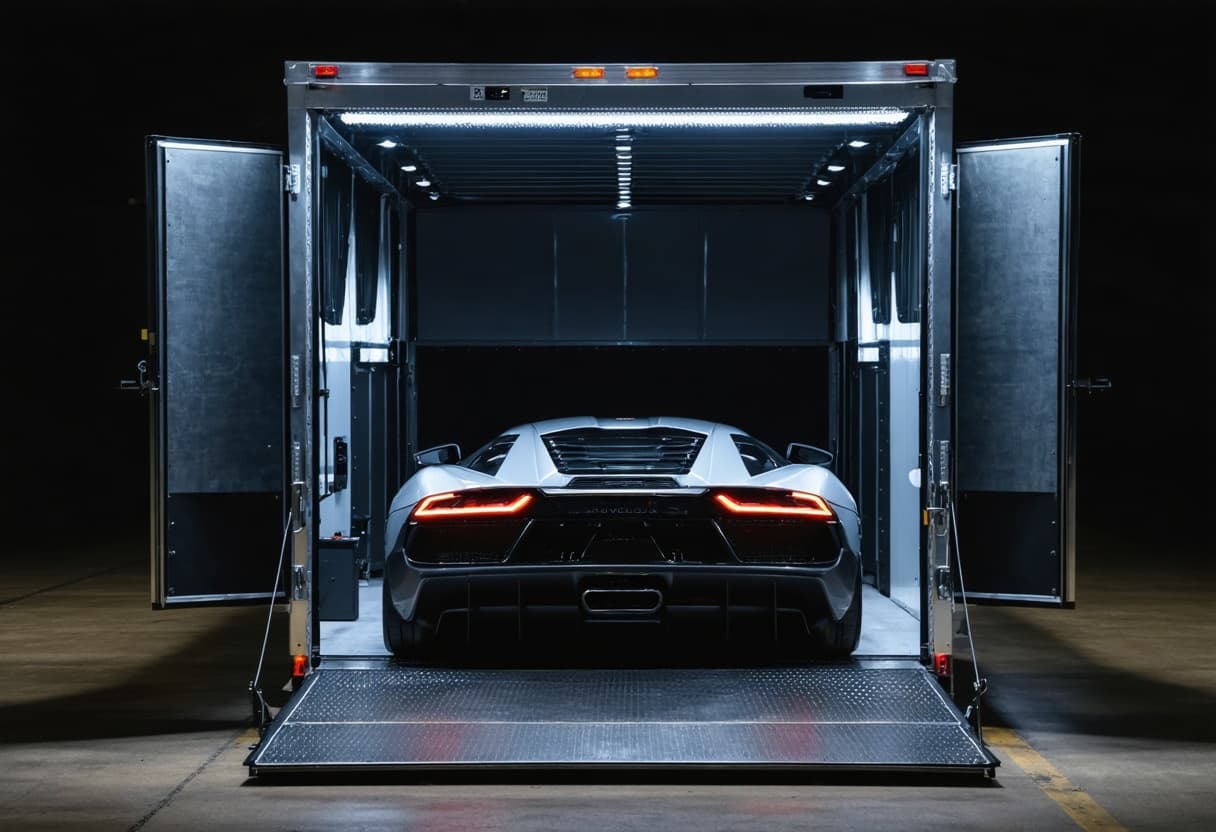 Enclosed Auto TransportA sealed trailer, soft tie downs, and no road spray for classics, exotics, and anything you would not park outside.Learn more →
 Door to Door TransportPickup and delivery at the addresses you give us. No terminal drop offs and no driving across town to meet a truck.Learn more →
 Expedited Car ShippingNext day or two day pickup when the closing date moved or the buyer will not wait. Priority position in the dispatch queue.Learn more →
- Budget Car ShippingFlexible dates and a wider pickup window traded for a lower rate. The honest version of a cheap quote.Learn more →
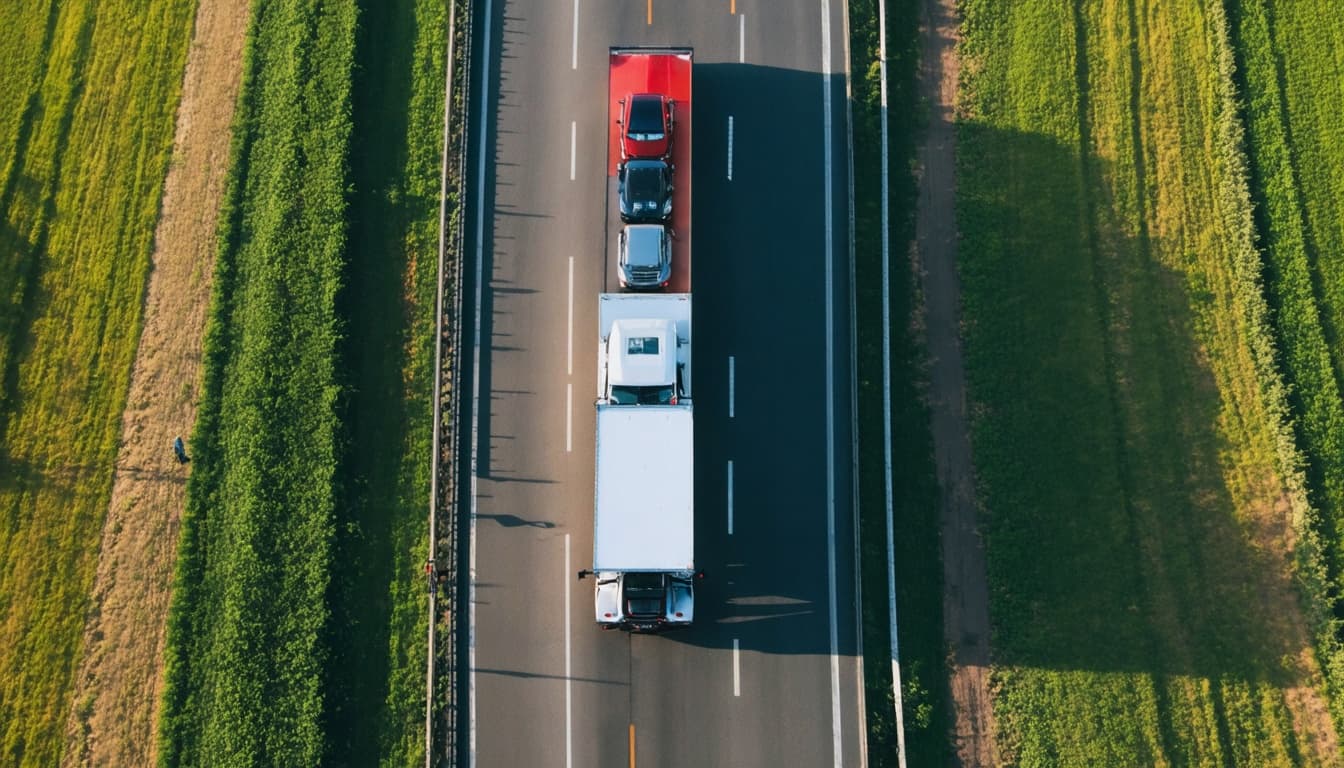 State to State ShippingInterstate moves with one carrier from origin to destination, no reloading and no handoffs between trucks.Learn more →
 Cross Country ShippingCoast to coast runs past two thousand miles, priced on lane density rather than a flat per mile guess.Learn more →
- International ShippingOcean freight by container or roll on roll off, with the port paperwork and customs filing handled for you.Learn more →
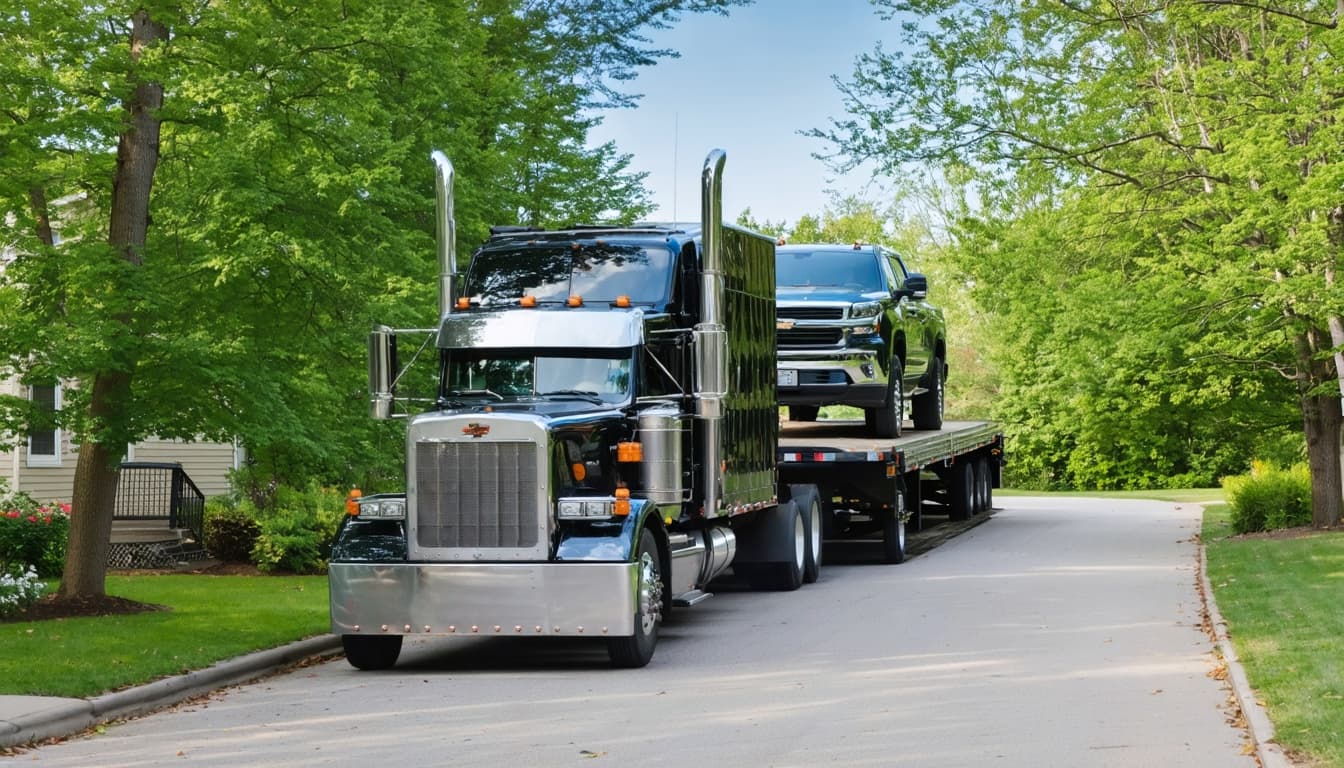 Online Purchase DeliveryBought from a marketplace, an out of state dealer, or a private seller. We collect it and bring it to your driveway.Learn more →
- Auto Train AlternativeA door to door option for the Virginia to Florida run when the train is sold out or the schedule does not fit.Learn more →
- Inoperable Vehicle TransportWinch equipped carriers for cars that will not start, will not steer, or will not roll. Project cars included.Learn more →
 Oversized TransportLifted trucks, duallies, and anything over standard deck height on trailers built for the clearance.Learn more →
By vehicle
 Motorcycle ShippingCruisers, sport bikes, touring rigs, and trikes on soft straps and wheel chocks rather than a bare ratchet.Learn more →
 Truck ShippingHalf tons through duallies, with the bed and tow package measured before we quote so the deck actually fits.Learn more →
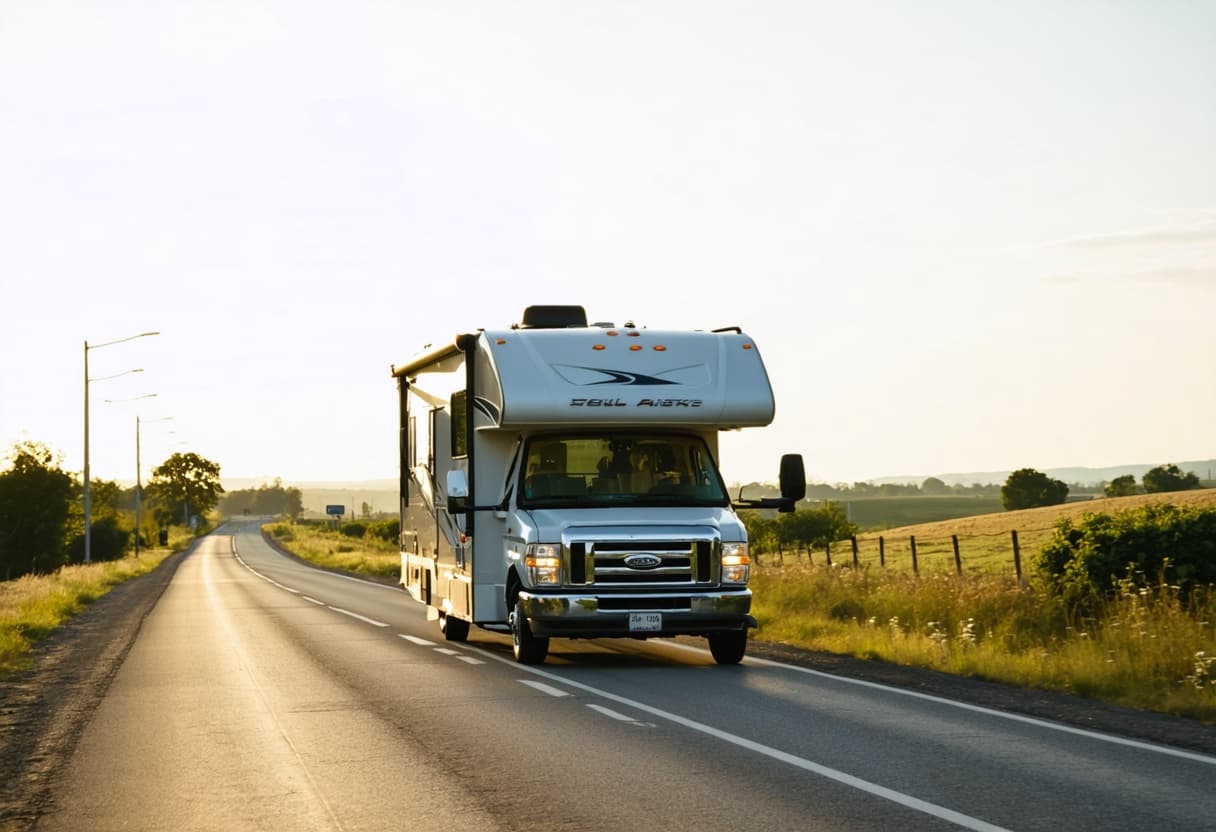 RV and Motorhome TransportTowed, hauled, or driven by a bonded CDL driver depending on length, height, and whether it is roadworthy.Learn more →
 Luxury Car ShippingEnclosed by default, lift gate loading, and a driver who has moved this class of car before.Learn more →
 Classic Car ShippingVintage and restoration cars handled with soft ties, no wheel straps on original chrome, and full photo documentation.Learn more →
By who is shipping
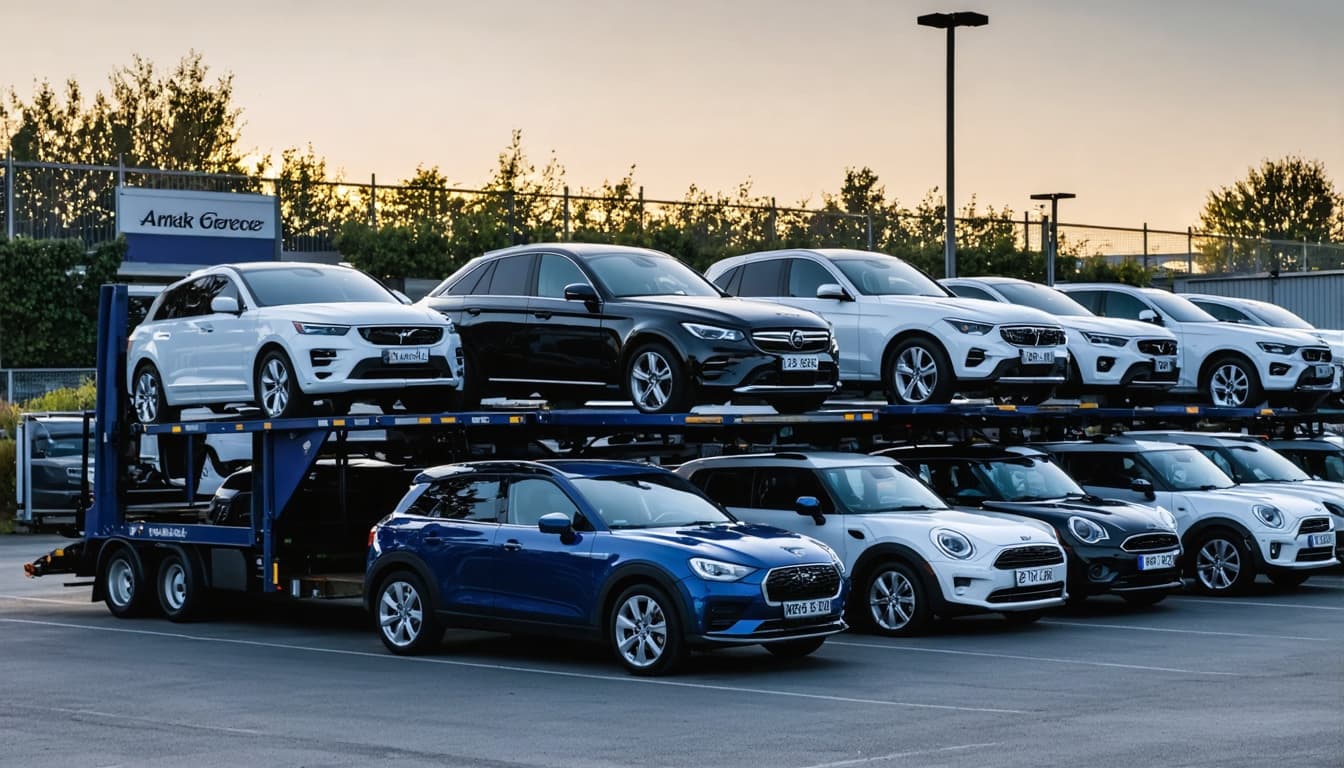 Dealer ShippingAuction runs, dealer trades, and port to lot moves on volume pricing with one invoice across every unit.Learn more →
- Fleet ShippingMulti unit relocations and seasonal rebalancing with contracted rates that hold through surge weeks.Learn more →
- For Online BuyersIndependent condition photos at pickup so you see the car before it leaves the seller, not after it arrives.Learn more →
- Auction ShippingPickup coordinated against auction release, gate pass, and storage deadlines so you are not paying late fees.Learn more →
- OEM LogisticsPlant to dealer and plant to port movement with reporting that matches manufacturer compliance requirements.Learn more →
- Rental Fleet RelocationSeasonal fleet balancing between markets, priced by the batch rather than one unit at a time.Learn more →
- Military Car ShippingPCS moves timed to report dates, with pickup that works around base access and a deploying schedule.Learn more →
- Student Car ShippingMove in and move out windows around the academic calendar, when every family in town needs the same week.Learn more →
 Snowbird ShippingNorth in spring, south in fall, booked both directions at once so the return leg is locked before rates climb.Learn more →
- Corporate RelocationEmployee moves billed to the company with the documentation a relocation package and an expense team need.Learn more →
Not sure which one fits? Call (888) 780-6207 and describe the vehicle and the route. A dispatcher will tell you which equipment it needs and what the lane is running, or start with an instant quote and adjust from there.
Auto transport coast to coast, state to state
We move vehicles in all fifty states, and the network is deepest where the freight already runs. Each state page below carries its own lane table, transit windows, and the local conditions that actually change a rate.
Northeast
Mid-Atlantic
Southeast
South
Midwest
Mountain
Read before you book
Most complaints in this industry trace back to something the customer was never told: that the first quote was a placeholder, that the broker on the phone is not the company driving the truck, or that personal items in the trunk are not covered by cargo insurance. None of that is complicated once somebody explains it. These are the explainers we send customers before they book, written to be useful whether or not you ship with us.
- How to Ship a CarThe whole process from first quote to signed delivery receipt, in the order it actually happens.Read the guide →
- How Auto Transport WorksWhat happens between your booking and a truck showing up, including who dispatches the load and why timing moves.Read the guide →
- Brokers vs CarriersThe difference nobody explains, why it changes who is liable for your car, and which one you are actually talking to.Read the guide →
- Spotting Transport FraudHow to check authority and insurance yourself, and the quote patterns that mean a company is about to raise the price.Read the guide →
- TruePrice GuaranteeWhy our quote is the price, and what the industry practice of quoting low and renegotiating at pickup costs you.Read the guide →
- Pre Shipping ChecklistWhat to clean, remove, photograph, and document before the driver arrives so a damage claim never becomes your word against theirs.Read the guide →
- Cheapest Ways to ShipThe levers that genuinely lower a rate, and the ones that only look cheap until pickup day.Read the guide →
- Hawaii Car ShippingPort schedules, island by island delivery, and what the ocean leg adds to a mainland quote.Read the guide →
- Alaska Car ShippingBarge versus the Alaska Highway, seasonal closures, and why a winter quote is not a summer quote.Read the guide →
- Why WhipshipperWhat we do differently on carrier vetting, rate locking, and tracking, stated plainly enough to check.Read the guide →
- Full FAQEvery question we get on pricing, timing, insurance, and paperwork, answered in one place.Read the guide →
- Customer ReviewsHow we handle feedback, what we do when a shipment goes sideways, and how to read transport reviews generally.Read the guide →
Lock your rate today.
$99 deposit holds the carrier, balance on delivery.